
A full home remodel is not a single phase. It is a sequence of steps that build on each other.
For most whole home remodels in Napa Valley, the total timeline typically ranges from 8 to 16+ months, depending on the scope and complexity of the project
Smaller projects may move more quickly. Larger, more customized homes or those requiring significant structural changes will naturally take longer.
The most important thing to understand is that construction is only one part of the timeline.
In this blog, we’ll cover:
- The Design and Budgeting Phase
- Permitting in Napa Valley
- The Construction Phase
- What Impacts the Timeline
- How to Avoid Delays
- Frequently Asked Questions
- Final Thoughts
The Design and Budgeting Phase
The design and planning phase is where the foundation of the entire project is established. This stage typically takes between 2 and 4 months, depending on the complexity of the remodel and how quickly decisions are made.
During this time, the layout is developed and refined through floor plan iterations, and elevation detailing informs conversations where key materials and finishes are selected. The budget is aligned with the design twice during this process. This is the time every detail is worked through so that the project can move into construction with clarity.
Many of the delays that occur during construction can be traced back to gaps in this phase. When design decisions are incomplete or unresolved, they tend to surface later as changes, which can slow progress and increase costs.
A well-developed plan creates smoother, more predictable construction, which is exactly how our remodeling process keeps projects moving smoothly. Taking the time to get this phase right is one of the most important steps in the entire remodel.
Permitting in Napa Valley
Permitting is often one of the less predictable parts of the process.
In Napa Valley, permitting timelines typically range from 1 to 3+ months, depending on the jurisdiction and the scope of work.
Projects that involve structural changes, ADUs, or more complex design elements may require additional review and coordination.
While this phase can feel like a pause, it is a necessary step that ensures the project meets local requirements and can move forward without issues.
The Construction Phase
The construction phase is where the planning and design begin to take physical shape. While timelines vary based on the scope of work, most whole home remodels in Napa Valley take between 4 and 8 months to complete, with larger or more complex projects extending beyond that.
During this phase, multiple trades are coordinated in sequence, materials are delivered and installed, and each layer of the project builds on the one before it. Structural work, mechanical systems, cabinetry, finishes, and final details all require careful timing and execution.
Projects that include significant layout changes, custom millwork, or highly detailed finishes will naturally require more time. The more customized the home, the more coordination is needed to ensure everything is executed properly and to a high standard.
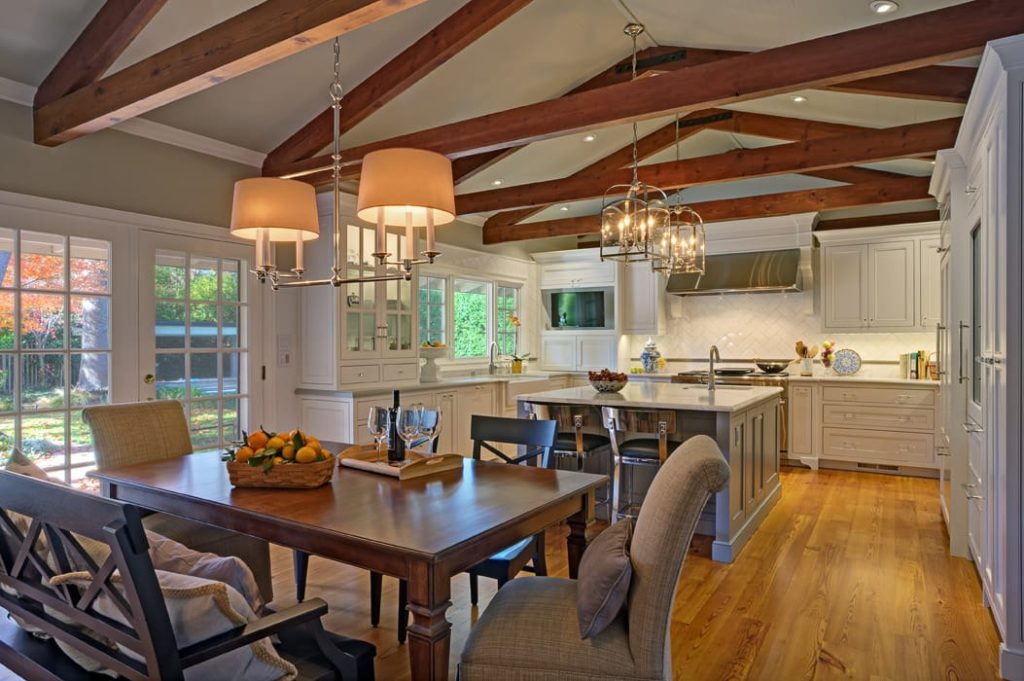
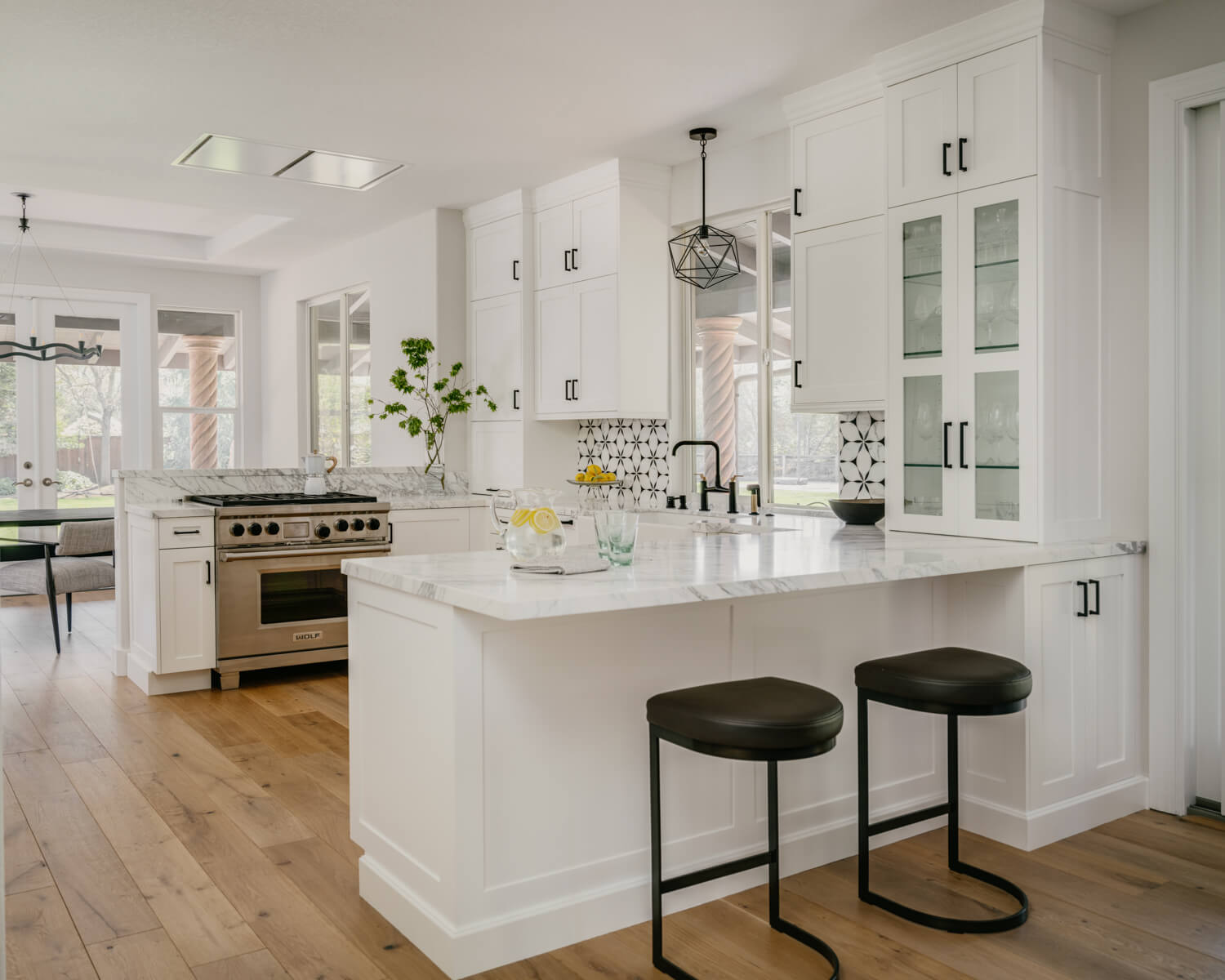
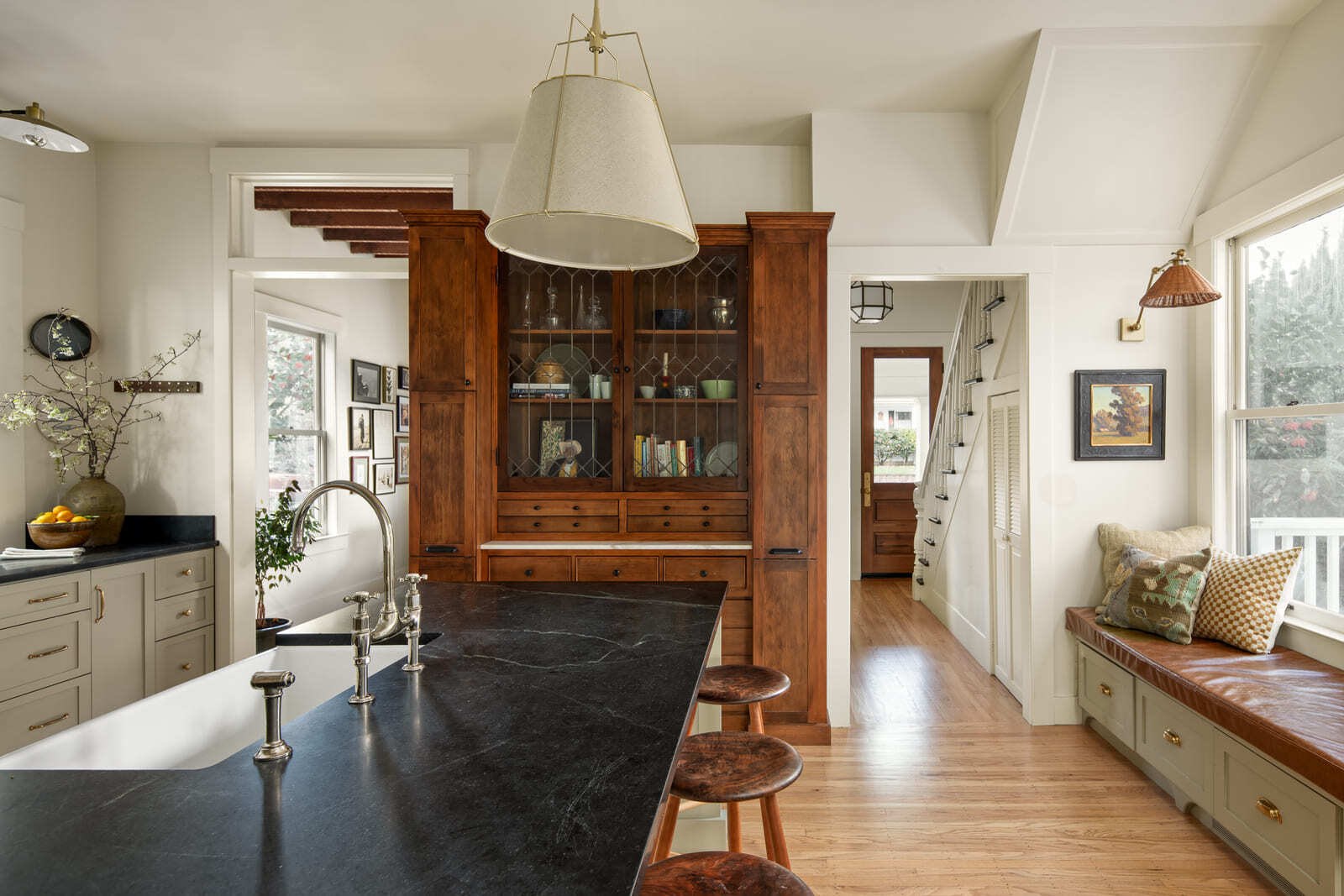
You can explore our remodeling portfolio to see how these ideas come together in real homes.
What Impacts the Timeline
Two projects of similar size can have very different timelines. The difference often comes down to customization, coordination, jurisdictional requirements, and how quickly decisions can be made when something changes.
The level of customization plays a major role. A highly detailed remodel may involve custom cabinetry, specialty materials, level 5 smooth walls, intricate finish details, and a larger number of trades. Each trade brings a specific craft to the project, and that level of work requires thoughtful sequencing, coordination, and lead time.
Decision-making speed also matters, even when the planning has been done well. Our goal is to make the major decisions before construction begins. That upfront work helps reduce delays by resolving floor plans, elevations, selections, scope, and budget before the project moves into the field.
Still, remodels can present conditions that are not visible until construction is underway. Delays or changes may come from unforeseen conditions inside the existing home, atypical requirements from the municipality, or changes requested by the client during construction. In each case, a clear process and timely decision-making help keep the project moving.
Project scope is another major driver. A full reconfiguration of the home will naturally take longer than a project that works within the existing structure.
If you’re trying to better understand how everything adds up, our remodeling cost guide breaks down what to expect at different levels of investment.
How to Avoid Delays
The most effective way to keep a remodel on track is to invest time in planning, design, and budgeting before construction begins.
Delays are less likely when the important details have already been worked through. Floor plans and elevations help clarify how the home will function and how each space will look. Material selections, cabinetry details, structural scope, finish expectations, and budget alignment all need to be addressed together so the construction phase can move forward with fewer unknowns.
This is where a design-build approach can make a meaningful difference. Design decisions are made alongside cost conversations, constructability input, and scheduling considerations, so homeowners are not making choices in isolation from the realities of the build. Understanding why in-house design leads to better home remodeling results can also help homeowners see how having design and construction expertise working together from the beginning supports better coordination and fewer avoidable delays.
A well-structured design-build process also creates clearer communication and accountability. Instead of coordinating between separate parties, homeowners work with one team responsible for guiding the project from initial concept through completion.
With strong planning, clear communication, and a unified process, many of the common causes of delay can be addressed before construction begins. When something unexpected does come up, the team is already aligned and prepared to make thoughtful decisions quickly.
If you're hoping to begin construction next year, it helps to work backwards from that goal. See why Napa Valley homeowners planning a 2027 remodel are starting the process now.
Frequently Asked Questions
How long does a whole home remodel take in Napa Valley?
Most whole home remodels take between 8 and 16 months from initial planning through construction. The timeline depends on the level of customization, permitting requirements, and the complexity of the work. Larger or more detailed projects may take longer. Clear planning early in the process helps keep timelines predictable.
Why does the design phase take so long?
The design phase is where the most important decisions are made. Layout, materials, and budget are all established before construction begins. Taking the time to finalize these details helps prevent delays later. A well-planned project almost always leads to a smoother build.
Can remodeling move faster if needed?
In some cases, timelines can be adjusted, but there are limits. Certain steps, such as permitting and material lead times, cannot be rushed. Trying to accelerate the process too much can lead to mistakes or increased costs. A balanced approach is usually the most effective.
What causes the biggest delays in remodeling projects?
The most common causes of delays are incomplete design decisions and changes made during construction. Material availability and permitting can also impact timelines. Projects that are fully planned before construction begins tend to move more efficiently.
Should I move out during a whole home remodel?
For most whole home remodels, yes. Living in the home during construction can slow progress and create additional challenges. Moving out allows the team to work more efficiently and helps maintain a safer environment. It also reduces stress for homeowners during the process.
Final Thoughts
A home remodel is a significant investment of both time and resources. Understanding the full timeline helps set expectations and allows for better planning from the beginning.
If you are considering a remodel and want to understand what your specific timeline might look like, the best next step is a conversation with the JS Design + Build team. Every home and every project is different, and a thoughtful discussion can help clarify the path forward.
You can schedule a consultation with our team to talk through your project and what to expect.